The Portuguese Water Dog Is Still a Working Breed
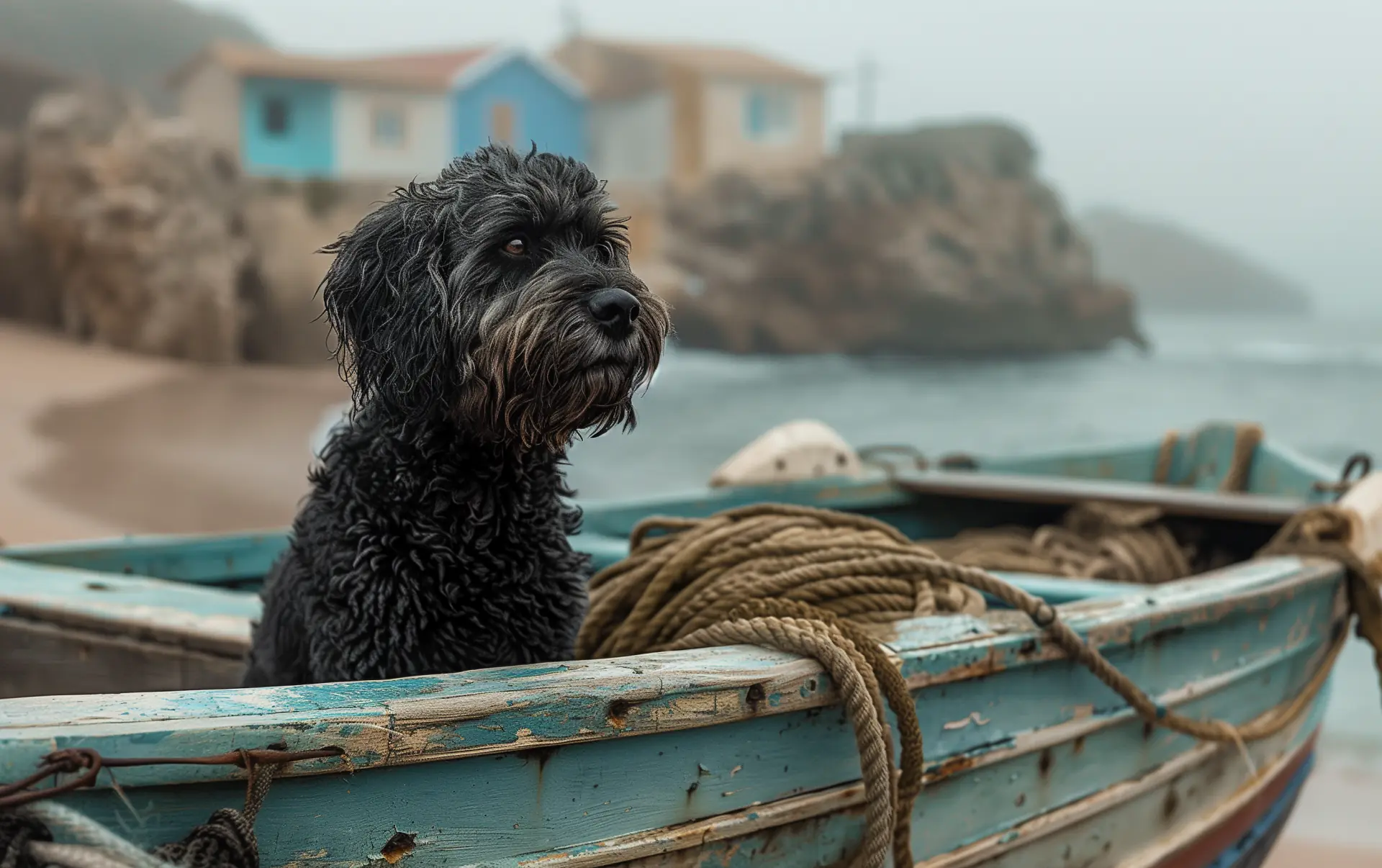
Long before the breed became synonymous with a certain American presidency, the Cão de Água Português was doing real work. Along the Algarve coast and up through the fishing villages near Lisbon, these dogs swam between boats, retrieved broken nets, herded fish into traps, and served as couriers between vessels and shore. They were not pets. They were colleagues.
This matters because the work shaped the dog. Centuries of selective breeding for coastal labour produced an animal with a specific set of traits: high stamina, comfort in cold water, a strong retrieve drive, and — perhaps most importantly — an unusual willingness to take direction while also making independent decisions. A water dog who waited to be told what to do while a net was sinking was not a useful water dog. The breed learned to think.
That intelligence is the first thing most owners notice and the first thing many underestimate. A Portuguese Water Dog who is not given enough to do will find things to do on their own, and those things will rarely align with your preferences. They are problem-solvers by inheritance. If you leave a puzzle unsolved in their environment, they will solve it, whether that puzzle is a childproof latch, a supposedly secure bin, or the question of how to get onto the kitchen counter.
Their coat — either curly or wavy, always single-layered — is often marketed as hypoallergenic. This is partly true and partly a simplification. They shed very little, which reduces airborne dander, but no dog is truly allergen-free. What the coat does require is consistent grooming. Without regular brushing and trimming, the hair mats quickly and thoroughly. Many first-time owners are surprised by the maintenance involved. It is not a wash-and-forget breed.
Temperamentally, they tend toward affection without dependency. They want to be near their people but are not typically anxious when left alone, provided they have had adequate exercise and stimulation. They are social with other dogs, generally patient with children, and reserved but not fearful around strangers. They read rooms well.
The breed’s numbers declined sharply in the mid-twentieth century as Portuguese fishing became mechanised. By the 1960s, the Cão de Água was genuinely endangered. A breeding programme led by Vasco Bensaude and later supported by American enthusiasts brought the population back, but the gene pool remains relatively small. Responsible breeders test for storage disease, progressive retinal atrophy, and hip dysplasia. Buyers should ask for documentation and not accept breeders who dismiss health screening as unnecessary.
What makes this breed remarkable is not its famous owners or its curly coat or its place in listicles about dogs that don’t shed. What makes it remarkable is the fact that, four hundred years after it was pulling nets off the Algarve coast, it still carries the temperament of a working partner. It still wants a job. It still thinks.
If you are considering a Portuguese Water Dog, the most honest question to ask yourself is not whether you like how they look. It is whether you are ready to give a smart, physical, purposeful animal the life it was built for.
Curious which dog suits you?
14 honest questions, one match that fits your life.